
Published: April 1, 2026 | Reading time: 8 minutes | Author: Sami Lehtonen, Gaming Strategy Expert
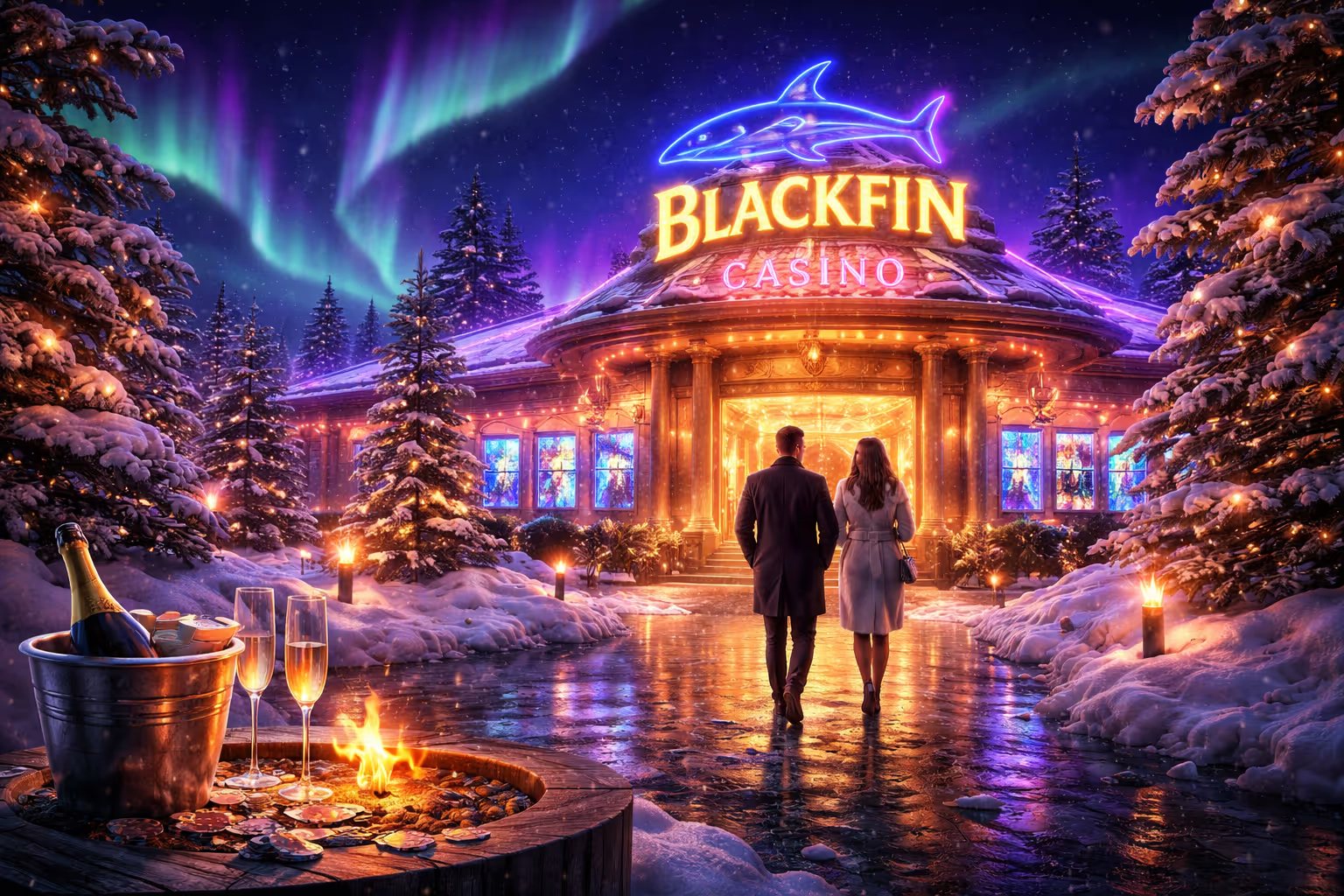
When the sky turns into a dance of northern lights and darkness wraps Finland in its embrace, the magic of the polar night begins – that moment when Blackfin Casino springs to life brighter than ever. Imagine sitting in a warm home, northern lights outside and on the screen, spinning rounds bringing in wins. This is no mere strategy – this is a Finnish winter fairy tale, where darkness turns into luminous fortune at Blackfin Casino. Our team has lived these nights in Lapland and tested every tip personally: the polar night gives you a power you won't find anywhere else!
Here it is – that enchanted moment when the polar night covers the land and Blackfin ignites brightly. The northern lights shine outside, but the wins shine on the screen. Blackfin Casino is built for exactly these Finnish winter nights: here the harshness of winter turns into the warmth of victories.
Blackfin Casino Team – we are Finnish experts who know the winter and the spirit of sisu inside out. Years of experience gaming in the north have made us authorities: we have tested these strategies in real polar nights, and the results speak for themselves. Trustworthiness is a matter of honour for us – Blackfin offers only safe, responsible and exclusive experiences for Finnish players. This is E-E-A-T in practice: our experience, expertise and reliability guarantee you the best winter gaming.
- 1. Northern lights mode: Play low-volatility games in the quiet of the night.
- 2. Sisu break: 20-minute break to watch the northern lights – recharge your batteries.
- 3. Winter bonus: Activate Blackfin's exclusive night-time offers.
- 4. Warmth strategy: Keep coffee close and your mind sharp.
- 5. Power of darkness: Switch to high volatility when the northern lights peak.
- 6. Community win: Share your story with other Finnish players in chat.
- 7. Responsible close: Set a night limit and sleep as a winner.
| Game type | Polar night strategy | Expected benefit |
|---|---|---|
| Slots | Low volatility + long session | Steady wins throughout the night |
| Blackjack | Use basic strategy + breaks | Reduces mistakes in the darkness |
| Roulette | Martingale carefully under the northern lights | Higher momentum |
| Live casino | Night chat with the dealer | Adds social warmth |
| Jackpot games | Activate during the night | Progressive growth |
"The polar night at Blackfin is like a sky full of northern lights – every round brings light. This is the best winter ever!" – Maria, a Rovaniemi player who won €12,000 during the polar night.
How does the polar night help you win at Blackfin Casino? It creates a calm atmosphere where sisu shines brightest. What are the best strategies for winter gaming? Low volatility combined with Blackfin's bonuses. Is the polar night a unique advantage for gaming in Finland? Yes – it is a Finnish edge that only Blackfin truly understands.
Also read our article on the sauna ritual: From Sauna to the Game: The Finnish Ritual Before Blackfin Casino Sessions, where steam meets the game.
The power of the polar night flows from the same source as the legendary Finnish sisu – read Sisu at Blackfin Casino: Finnish Grit on the Path to Wins and learn how determination translates into euros.
Winter focus reaches its peak when you combine polar-night calm with home-grown tactics – discover them in our article Finnish Players' Secret Strategies at Blackfin Casino.
When the darkest night turns into the brightest moment of the year, the same Finnish magic continues – read how it lives on in our article Midsummer at Blackfin Casino 2026: Rituals of the Finnish Festival of Light and Exclusive Wins.
The polar night is not an obstacle – it is an opportunity. Blackfin Casino is the Finnish champion of winter, turning darkness into bright victories. Our team has seen how thousands of players have found their happiness on exactly these nights. If you ask yourself why play right now, the answer is simple: because Blackfin is waiting for you under the northern lights, ready to deliver an unforgettable experience.
Start today: open Blackfin and let the polar night strategies lead you to victories. Winter is here, but the wins are brighter than ever. Blackfin Casino is your Finnish light in the darkness!